Posts

BRIE RUAIS AT MESLER FEUER GALLERY

Image
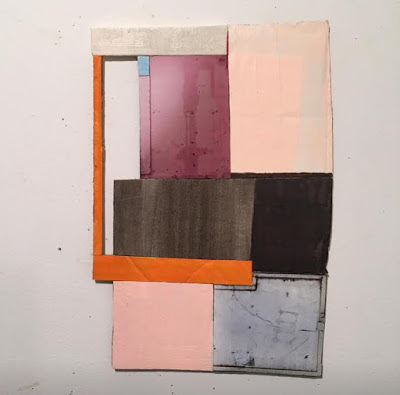
  Brie Ruais' sculptures, and the manner of their presentation, convey a regard for the condition of presence. They are rough hewn yet brilliantly polished, large in scale and impossibly heavy. They project a quality of being detritus, of being torn and ragged remains after a process of at first rumination and then wreckage has left only skeletal remains of them. They are like something ripped from a proper fabric and left to decay. When I first encountered these sculptures at Mesler Feuer Gallery in June of 2015, they did not immediately read as clay. They resembled large blocks of cast metal, though I could not reconcile the forms themselves with the color that seemed so central to their presentation. I encourage a certain ignorance in the practice of encountering artworks, because it's about the context of first-hand experience rather than documentation and information gathering after the fact. I prefer to let looking take its course, even if I am due to make...
GRACIELA CASSEL | Into The Labyrinth

Image
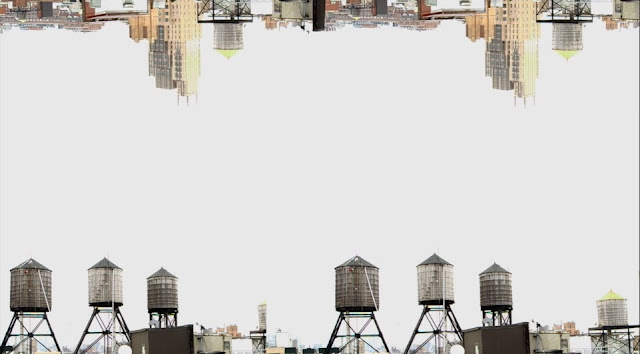
Art grounds us in an experience that achieves the imprimatur of truth by combining appearances with layers of artifice. Nowhere is this more evident in an art form such as film that relies heavily upon the senses. Graciela Cassel’s films explore the phenomenological dimensions of urban space: the labyrinth of structures both physical and ephemeral. A city presents itself as a massive and endless procession of edifices either near or far, of streets either pristine or decrepit, and of an endless train of strangers who may, in any given circumstance, emerge from anonymity into intimacy with us. Every distance and every dimension of city life offers up myriad possibilities for future experience. This is why they are easy to romanticize, and why they also contribute to a mythology of creative means. Each of her films begins with a central motif, either a real object or place, or some sensory experience that she is attempting to replicate or synthesize. The situation of spectatorship b...

AMY SANDS | A Beautiful Noise

Image
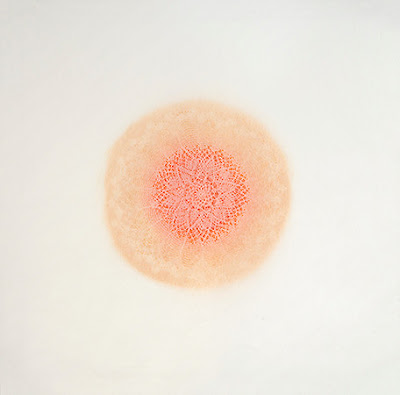
REVOLUTION V (2015), Monotype, serigraphy. and lasercut on three layers of rice paper, 29 x 29 inches The art of Amy Sands presents models by which we may interpret the primordial structures and charismatic energy around us. A certain approach to artistic creation belies a felicitous understanding of what is most essential, misunderstood, or obscured in nature, and redirects it to our aesthetic comprehension. Printmaking is about process, and each of the names that are given to the types of prints carry with them the association we have to a particular process and its resulting product, which carries with it the aura of action that preceded it. Yet complexity can enter into the welter of intentions that aid in the conceptualization of these works. If the artist has ideas about her final product that carry over from other creative disciplines, such as sculpture or lace making, then the proliferation of stylistic motifs will dominate the work’s appeal, and will diverge from the ...

“Currents in Photography” at Walter Wickiser Gallery, New York, May 26-June 21, 2016

Image
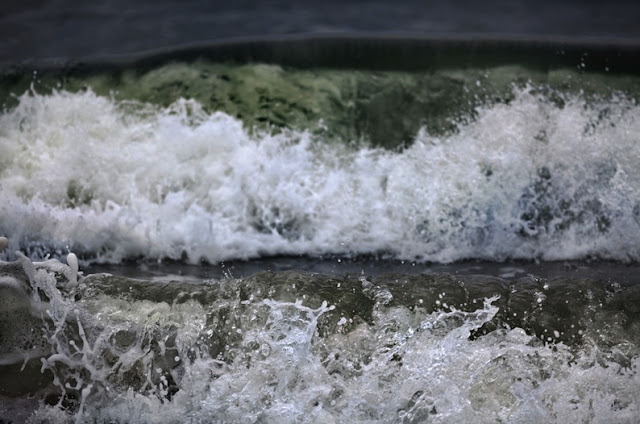
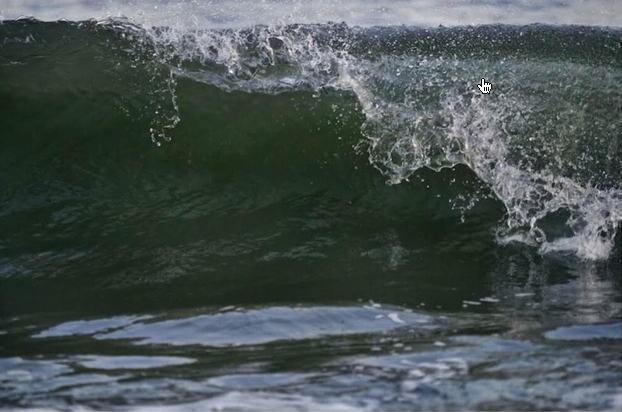
  SANDRA GOTTLIEB: October Waves #23 (2013) This exhibition hides behind a prosaic title that only slyly serves its ultimate purpose: to present the advanced visual agendas of a crop of mature artists working in a field only vestigially related to what one commonly refers to as photography. Their cumulative inventiveness is a breath of fresh air within the overcrowded milieu of the current demimonde. Sandra Gottlieb is a portrait painter of nature’s wildest manifestations—the waves that thrash upon the shore, and which form a seemingly endless landscape beyond the reaches of solid earth. Her images run the gamut from explosive to contemplative. They are unique in that they treat their subject with indifference toward anything but discoveries of serendipitous design. Her favorite hunting ground for capturing these images is 500 feet off the sand in Brighton Beach, where her telephoto lenses capture the minute and the grandiose alike, each swirl or crest a gesture uni...

RICHARD M RIVERA | Out of The Dark

Image
The act of painting is one of revelation. It does not happen all at once, like a miracle, though that is its effect. If successful it affects the viewer so completely that they are transformed from the inside out. Aesthetic recognition connects a manifestation of the texture and matter of reality to a reasoned understanding of what the world is about, who we are within it, and how a force such as art can alter both, while remaining resolutely unique. It takes time to adjust to the aesthetic at work in an advanced artist’s oeuvre. Artists often connect to an aesthetic that may be removed from the contemporary scene, yet they choose their approach because it represents the dynamic most central to their world view. From a time before the invention of history, when mankind was in its infancy, with limited comprehension of the universe, there was still an inkling that possibilities existed beyond their reach. The night sky revealed tiny sparks of light, campfires suspended in a sea of...

STUDIO JOURNAL WITH JANICE CASWELL

Image
  I first met Janice Caswell around 1994 through a mutual friend who has since left New York. I was still generally unaffiliated at that time, a non-artist in the art world with critical aspirations. Having grown up around art dealers in Soho, I was just then beginning to visit studios, and hers was among the very first art that I was seeing where it was being made, and not just where it was commercially exhibited. What I saw reflected a personal reality in which parts and details really mattered. To me, it was about intimacy. Caswell was making artworks that resembled maps. She was clearly interested in describing the mutable character of periodic experience as viewed on a grand scale, and found its most successful manner of expression in a format that begged to be reproduced and reinterpreted. These were placed directly upon a wall, later to be contained in boxes covered in glass. What most attracted me to Caswell's work back then was how it combined order with ambiguity. Unl...

Sandra Gottlieb at The New York Hall of Science

Image
October Waves 2013, No. 17 It is easy to misconstrue the photographic work of Sandra Gottlieb, which is entirely non-traditional when it comes to its overall theme, yet at the same time it connects with esthetic pleasures usually reserved for painters. The type of movement found in Gottlieb's photographs, the manner by which she captures it, and the appeal it presents, are unique to her process. There is something very removed from time in her work. She is what most would call a nature photographer but her works are not created in order to adorn the pages of National Geographic. They depict the ocean as a canvas, not as a setting or backdrop for people or sea life to enact the usual dramas. A poet might call her a stenographer of the sublime, annotating the randomness of tidal force while allowing it to impose itself upon the moral consciousness of viewers, who will not be able to peer away from the images no matter how overwhelming they may seem. Primal force is her ...

STUDIO JOURNAL WITH DEAN MONOGENIS

Image
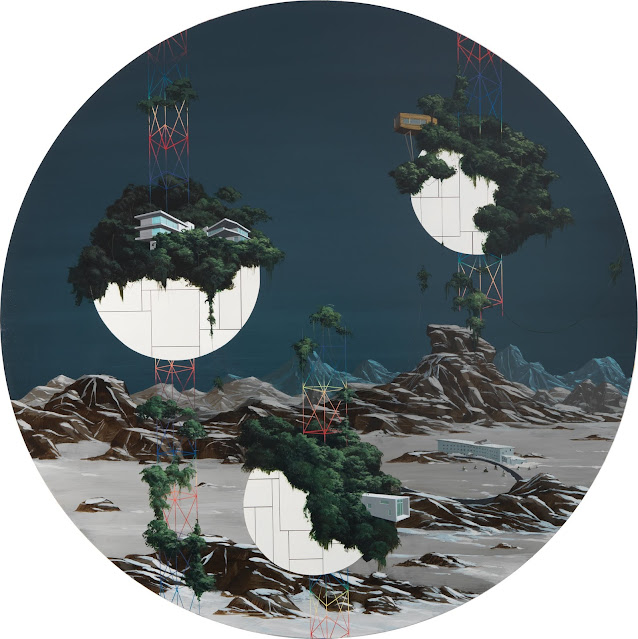
  The dog days of summer are a great time to interact with art in studios. There is a certain benumbed calm about the interim period between one art season and the next. I was in the studio of Dean Monogenis on Thursday, August 6, and it was refreshing. Dean has a smallish studio in the downstairs of his East Williamsburg apartment. Works in progress and recently finished ones, left hanging just before a recent trip to attend openings in Los Angeles and Madrid, were in evidence. There were five paintings on view, enough to generate a lively discussion lasting nearly two hours. Monogenis' primary subject over time has been architecture manifested as metaphysical and phenomenological space. Over the years it has gestated and morphed into an engagement with how to recreate that space in a means that people can understand without relying on painterly abstraction. It has become a sort of standard to replace gestural tropes with  detailed, organizational ones, ...